
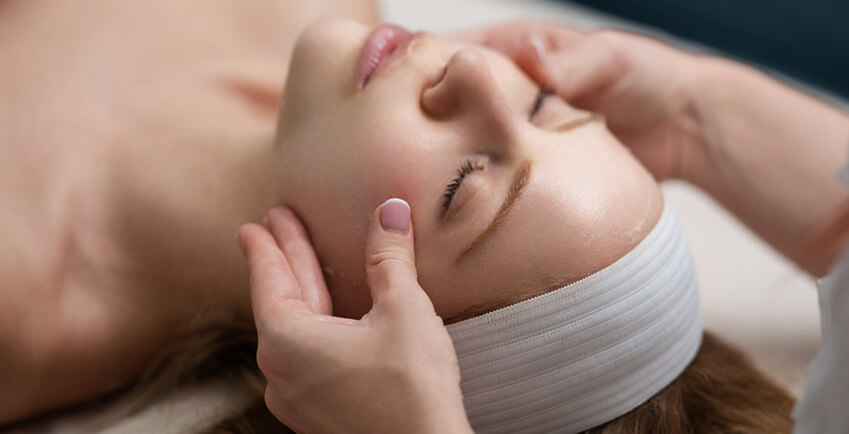
The skin ages on multiple fronts simultaneously. Collagen thins in the dermis, melanin gathers unevenly in the epidermis, surface texture roughens, pores appear more visible, and the luminosity that once made skin look rested begins to retreat. It follows, then, that treating ageing or scarred skin with a single modality can only ever be a partial answer.
The real advance in modern non-surgical facial rejuvenation has not been the discovery of one miracle treatment, but the recognition that selected treatments, used in the right sequence and in the right patient, can address different layers of the same problem.
This is where the combination of a Chemical peel, Microneedling and platelet-rich plasma becomes clinically interesting. The value is not in doing three procedures together for the sake of intensity. The value lies in biological logic: surface renewal, controlled dermal injury and autologous repair support, each performing a different role.
The Principle of Synergy: Why Combination Works
Combination therapy in aesthetics is not simply the stacking of procedures. It is the deliberate use of complementary mechanisms, where each step prepares the skin for the next and contributes to a different layer of repair.
- A chemical peel works on the surface. Depending on the agent and depth, it acts mainly on the epidermis, improving surface texture, dullness and superficial pigment irregularity.
- Microneedling works deeper. By creating controlled micro-injuries in the dermis, Microneedling stimulates a wound-healing response and supports collagen induction therapy.
- PRP therapy supports repair. Platelet-rich plasma introduces a patient-derived platelet concentrate into a tissue environment already engaged in healing.
- The evidence is strongest in acne scars. Published reviews suggest that microneedling combined with chemical peeling can outperform either treatment alone in atrophic acne scars, while microneedling with PRP has also shown better scar-improvement and patient-satisfaction outcomes than microneedling alone in several controlled studies.
- The sequence matters. Surface renewal, dermal stimulation and biological repair support can work together, but only when depth, timing and skin response are respected.
- The caution matters just as much. The same combination that helps one patient may irritate another. Depth, timing, skin type, pigmentation tendency, active acne, recent medication history and compliance with photoprotection all influence the plan.
Chemical Peels: Controlled Injury, Controlled Renewal
A chemical peel works on a simple but precise principle: a calibrated chemical injury prompts controlled renewal. Superficial peels using agents such as glycolic acid, salicylic acid, lactic acid or mandelic acid act mainly on the epidermis. They may improve dullness, mild textural irregularity, comedonal tendency and superficial pigmentation. Medium-depth peels reach deeper and must be selected with greater caution.
Within a combination protocol, superficial or carefully selected medium-depth peels are usually preferred. The goal is controlled skin resurfacing, not unnecessary aggression. A peel can reduce surface roughness and help create a more even optical surface before or between microneedling sessions.
In Indian skin, this caution becomes even more important. Fitzpatrick III–V skin types have a higher tendency towards post-inflammatory hyperpigmentation when procedures are too deep, too frequent, or performed on inflamed skin. Pigmentation treatment is therefore not only about choosing an active agent; it is about preparing the skin, controlling inflammation, enforcing sunscreen use and avoiding heroic treatment in unstable melasma or recently tanned skin.
Microneedling and PRP: A Partnership at the Cellular Level
Microneedling is performed with fine sterile needles that create multiple controlled punctures in the skin. Traditional dermaroller / microneedling therapy introduced this principle widely, while motorised pens and newer platforms now allow more consistent control of depth and density. Its clinical appeal lies in the fact that it stimulates repair without removing the epidermis in the way more aggressive resurfacing can.
In acne scar management, especially for selected atrophic rolling and boxcar scars, microneedling may soften the scar–skin transition by encouraging new collagen and remodelling in the dermis. Ice-pick scars, deep tethered scars, active acne and hypertrophic scarring tendency require a different conversation. Some patients need subcision, focal chemical reconstruction, lasers, fillers, punch techniques, or staged combinations rather than microneedling alone.
PRP therapy is a useful adjunct because it enters the same biological conversation. Platelet-rich plasma is prepared from the patient’s own blood and contains platelets that release mediators involved in tissue repair. When used with microneedling, it may be applied topically over microchannels or injected selectively, depending on protocol and indication. Microneedling creates the wound environment; PRP may help support the repair response.
That said, PRP is not a magic serum. Preparation methods differ, platelet concentrations vary and evidence is not uniform across all indications. Its strongest argument in this combination remains supportive rather than substitutive: it may enhance healing and scar improvement in selected patients, but it does not replace correct diagnosis, depth control and asepsis.
Clinical Applications: Scars, Pigment and the Ageing Face
The combination is most compelling when the patient has more than one layer of concern. Acne scars with post-inflammatory pigmentation, early photoageing with dullness, fine lines with poor texture, and pigmentation with superficial roughness are common examples.
For skin rejuvenation, the peel improves surface turnover, microneedling supports dermal repair and PRP may assist recovery. For an anti-aging treatment plan, this can translate into better skin quality, improved luminosity and gradual softening of fine textural change. It should not be described as a lifting procedure, a substitute for surgery, or a correction for significant laxity.
In pigmentation-prone patients, the sequence should be conservative. It may be safer to prime the skin first, perform lighter peels, separate sessions rather than combine everything on the same day, and intensify treatment only after observing healing. Good rejuvenation is not measured by how much erythema is produced on the table, but by how predictably the skin recovers after it.
Patient Selection and Safety Considerations
Combination therapy delivers its best results in well-selected patients. It may be considered for patients with realistic expectations and concerns such as acne scarring, rough texture, early photoageing, dullness or mild pigmentation irregularity. It requires modification or postponement in the presence of active acne, cutaneous infection, recent significant sun exposure, unstable melasma, keloid tendency, immune suppression, bleeding disorders, pregnancy, lactation, or recent isotretinoin use.
Safety depends as much on restraint as on technique. The clinician must decide whether the modalities should be combined in one sitting, staged across sessions, or avoided. Sterile cartridges, single-use consumables, proper PRP handling, eye protection where needed, clear consent and written aftercare are not optional details. They are the foundation of the protocol.
Patients should be counselled about temporary redness, swelling, dryness, peeling, bruising, acne flare, herpes reactivation, infection, pigmentation changes and the need for strict photoprotection. Multiple sessions may be required, and improvement is gradual. This clarity protects both the patient and the procedure.
The Whole That Exceeds Its Parts
The combination of chemical peels, microneedling and PRP represents a rational approach to non-surgical facial rejuvenation when the indication is right and the sequence is respectful of skin biology. Surface renewal, dermal stimulation and biological repair support are not competing ideas; in selected patients, they can be complementary parts of one treatment philosophy.
The skill lies not in adding more treatment, but in knowing how much treatment the skin can safely interpret. Too little may disappoint; too much may inflame. Between those two extremes lies the art of modern regenerative aesthetics: measured injury, guided repair and patient-specific restraint.
After all, the skin did not age in a single layer. It should not be asked to recover in one either.
Author: Dr. Shilpi Bhadani
Disclaimer : The opinions here are personal views of the authors. IAAPS is not responsible. All members may not have the same scientific view point