
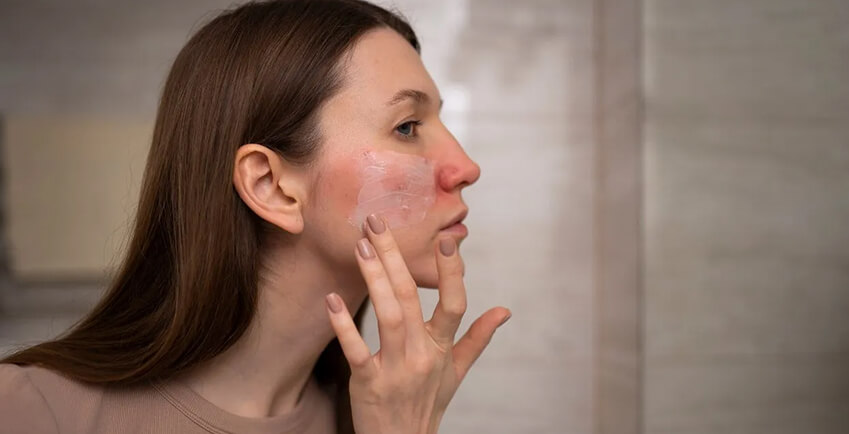
“The skin is not merely a surface to be treated—it is a dynamic organ that demands layered, biologically intelligent intervention.”
There is a moment in almost every aesthetic consultation when the patient says, “Doctor, I don’t know where to start—my skin just doesn’t look the same anymore.”
And when you examine closely, the reason becomes clear. The concern is rarely singular. It is a combination of pigmentation that lingers, acne scars that alter texture, and early signs of aging that dull the skin’s vitality. Treating these concerns individually often leads to partial improvement—and incomplete satisfaction.
This is where modern aesthetic medicine has evolved. Instead of isolated interventions, the focus has shifted toward combination therapy, particularly the integration of chemical peels, microneedling, and PRP therapy for comprehensive non-surgical facial rejuvenation.
Understanding the Complexity of Skin Concerns
Skin pathology is inherently multi-layered.
Pigmentation, especially in darker skin types, is influenced by depth, distribution, and triggers. Post-inflammatory hyperpigmentation behaves differently from melasma, which is hormonally driven and often recurrent. Superficial exfoliation may temporarily brighten the skin, but deeper pigment frequently persists.
Acne scars represent structural damage rather than superficial blemishes. Most are atrophic, resulting from collagen loss within the dermis. This explains why topical treatments or surface-level procedures alone rarely produce significant improvement.
Facial aging further complicates the picture. It is not limited to wrinkles but includes collagen depletion, reduced elasticity, uneven texture, and loss of radiance. Histologically, these changes begin earlier than patients perceive them clinically.
Such layered pathology necessitates a treatment strategy that is equally layered.
Individual Modalities: Strengths and Limitations
A chemical peel remains one of the most effective tools for skin resurfacing. By inducing controlled epidermal exfoliation, it improves pigmentation, refines texture, and enhances overall skin tone. However, its action is largely superficial, limiting its role in deeper scars and dermal remodeling.
Microneedling, widely recognized as collagen induction therapy, addresses this limitation. By creating micro-injuries, it stimulates fibroblast activity and promotes collagen synthesis. Multiple studies have demonstrated its efficacy in acne scar management and skin rejuvenation, particularly in Fitzpatrick skin types III–V due to its favorable safety profile.
PRP therapy introduces a regenerative component. Rich in growth factors such as PDGF, TGF-β, and VEGF, platelet-rich plasma enhances tissue repair, accelerates healing, and augments collagen production. While subtle as a standalone treatment, its synergistic role in combination protocols is well established.
Individually, these modalities are effective. Collectively, they become transformative.
The Science Behind Combination Therapy
The rationale for combining chemical peels, microneedling, and PRP therapy lies in their complementary mechanisms of action.
A chemical peel initiates epidermal renewal and pigment correction. Microneedling extends the treatment into the dermis by triggering collagen induction therapy. PRP, when applied during or after microneedling, utilizes these microchannels to penetrate deeper, enhancing cellular regeneration and wound healing.
This creates a multi-dimensional treatment effect:
- Surface correction through skin resurfacing
- Structural repair through collagen stimulation
- Biological enhancement through growth factors
Rather than a simple additive effect, studies suggest a true synergistic interaction between these modalities.
A systematic review published in dermatologic literature has shown that microneedling combined with adjunctive therapies such as chemical peels or PRP results in significantly greater improvement in acne scars compared to monotherapy, with higher patient satisfaction and faster visible outcomes.
Similarly, clinical observations have demonstrated that PRP-enhanced microneedling accelerates recovery and improves overall skin quality, supporting its role in anti-aging treatment and skin rejuvenation.
Clinical Relevance and Patient Outcomes
In real-world practice, combination therapy offers a more holistic solution.
For patients with acne scars and pigmentation, chemical peels help in pigment reduction, microneedling improves scar depth, and PRP enhances healing and skin quality. Over multiple sessions, the skin becomes smoother, more even-toned, and visibly healthier.
In the context of non-surgical facial rejuvenation, this approach addresses fine lines, dullness, and textural irregularities simultaneously. Patients often describe their skin as looking “refreshed” rather than “treated,” which aligns with the modern aesthetic goal of natural enhancement.
Downtime, Safety, and Expectations
Despite combining multiple procedures, downtime remains relatively controlled.
Patients may experience mild erythema for 48–72 hours, occasionally followed by light desquamation depending on the peel used. With appropriate photoprotection and post-procedure care, recovery is smooth and predictable.
However, expectation management remains critical.
Skin rejuvenation is progressive, not immediate. Collagen remodeling occurs over weeks to months, and pigmentation gradually fades with repeated sessions. Typically, a series of treatments spaced 3–4 weeks apart yields optimal results.
A Reflection of Evolving Aesthetic Practice
The growing preference for combination therapy reflects a deeper shift in aesthetic medicine—from procedure-driven treatments to biology-driven strategies.
Instead of asking which treatment to perform, clinicians now ask:
What does this skin require at multiple levels?
In that context, the integration of chemical peel, microneedling therapy, and PRP therapy represents a rational, evidence-based approach that aligns with both patient expectations and scientific principles.
Conclusion
Facial rejuvenation today is not about isolated correction, but about restoring skin health in a structured, layered manner.
Combination therapy brings together skin resurfacing, collagen induction therapy, and regenerative medicine into a unified protocol. It effectively addresses pigmentation, acne scars, and early aging changes, making it one of the most comprehensive approaches to non-surgical facial rejuvenation.
In aesthetic medicine, the best results are not achieved by doing more—but by doing what the skin truly needs, in the right combination, at the right depth.
Author: Dr. Neel Gupta
Disclaimer : The opinions here are personal views of the authors. IAAPS is not responsible. All members may not have the same scientific view point