
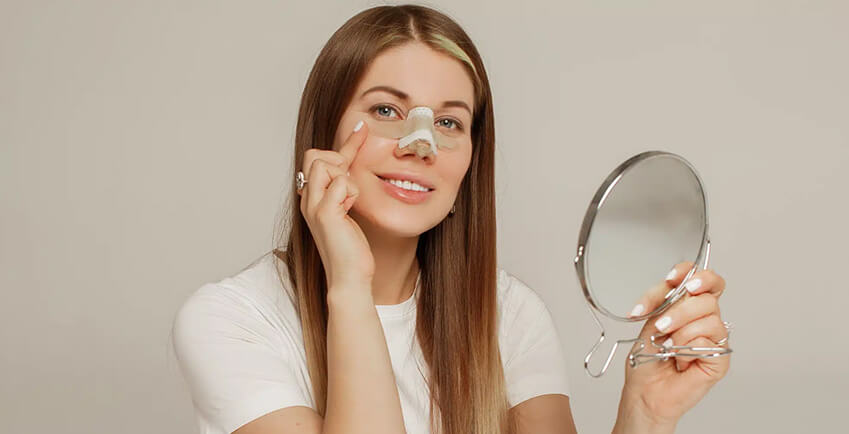
Rhinoplasty, commonly referred to as a nose job, is one of the most sought-after cosmetic procedures globally. Blending art and science, it can refine facial symmetry, enhance nasal function, and boost confidence. With the evolution of techniques such as ultrasonic rhinoplasty, preservation rhinoplasty, and non-surgical (liquid) rhinoplasty, patients have access to a broader range of tailored options than ever before. However, understanding the realistic outcomes and limitations of rhinoplasty is crucial for anyone considering the procedure. This concise guide clarifies what rhinoplasty can and cannot achieve, helping you make an informed, confident decision.
What Rhinoplasty Can Do
1. Enhance and Reshape the Nose (Cosmetic Rhinoplasty)
- Refine facial harmony: By sculpting nasal structures, surgeons can address issues like a dorsal hump (bump on the bridge), a crooked nasal bridge, a bulbous or droopy tip, or wide/asymmetric nostrils. This results in a nose that better complements your facial features.
- Adjust nostril width: Surgeons can narrow or widen nostrils to suit individual facial proportions.
- Shorten or lengthen the nose: The nose’s length may be manipulated for optimal balance with other features.
- Improve overall symmetry: Meticulous adjustments help achieve a more harmonious and attractive facial aesthetic.
2. Provide Precision with Ultrasonic Rhinoplasty
- Ultrasonic rhinoplasty uses a Piezo device for bone modifications. This advanced tool enables surgeons to make highly controlled, precise cuts, resulting in smoother contours, minimal trauma to surrounding tissues, and reduced post-surgical bruising and swelling.
- Recovery is often faster and more predictable compared to traditional methods.
- This approach is especially advantageous when correcting dorsal humps or refining the nasal profile.
3. Respect Cultural Traits (Ethnic Rhinoplasty)
- Ethnic rhinoplasty is designed to enhance nasal appearance while preserving and respecting an individual’s cultural features.
- Typical goals include refining wide or thick nasal tips, strengthening a flat nasal bridge, narrowing a broad base, and enhancing projection—always ensuring that the result remains true to the person’s heritage. The emphasis is on subtle improvement rather than dramatic transformation.
4. Improve Breathing and Nasal Function (Functional Rhinoplasty & Septoplasty)
- Rhinoplasty is not only cosmetic—it can also resolve internal structural problems that hinder breathing.
- Functional rhinoplasty and septoplasty treat issues such as a deviated septum, nasal valve collapse, turbinate hypertrophy, and post-traumatic deformities.
- By straightening the septum and correcting internal structures, these procedures can significantly enhance airflow, reduce snoring, and support long-term nasal stability.
- The combined aesthetic and functional benefits often yield substantial improvements in quality of life.
5. Preserve Natural Anatomy (Preservation & Closed Rhinoplasty)
- Preservation rhinoplasty: This method maintains the natural dorsum (bridge) of the nose, leading to more organic-looking results, reduced trauma, quicker recovery, and greater long-term stability. It is best suited for patients with straight or mildly humped bridges.
- Closed rhinoplasty: With all incisions made inside the nostrils, there are no visible external scars. This technique is ideal for moderate reshaping and offers faster healing and less swelling.
6. Correct Previous Surgeries (Revision Rhinoplasty)
- Revision rhinoplasty addresses issues from prior nasal surgeries, whether aesthetic or functional.
- It can restore support, correct collapse, enhance symmetry, and resolve breathing difficulties.
- This is a complex procedure best handled by experienced surgeons due to the presence of scar tissue and altered anatomy.
7. Offer Non-Surgical Enhancement (Liquid Rhinoplasty)
- Liquid rhinoplasty uses hyaluronic acid fillers to temporarily reshape the nose, camouflaging small dorsal humps, straightening bridges, lifting droopy tips, and correcting minor asymmetries.
- The main advantages are immediate results and no downtime. However, the effects are temporary (lasting 9–18 months) and cannot reduce nose size, as volume is added rather than removed. Only qualified injectors should perform this procedure due to the risk of vascular complications.
| Feature | Can Do | Cannot Do |
| Dorsal Hump | Camouflage hump | Make nose smaller |
| Tip | Provide mild lift | Sharpen thick, bulbous tip |
| Breathing | Improve symmetry visually | Fix structural breathing issues |
| Longevity | Last 9–18 months | Provide permanent results |
What Rhinoplasty Cannot Do
1. Create a “Perfect” Nose
- There is no universal ideal nose. Each person’s anatomy is unique – surgeons cannot reproduce someone else’s nose precisely. The bone and cartilage structure, as well as skin thickness, set natural boundaries for how much change can be achieved. The true goal is improvement suited to the individual, rather than unattainable perfection.
2. Completely Change Your Identity
- Rhinoplasty enhances and refines your nasal appearance but does not erase your individuality.
- Especially in ethnic rhinoplasty, the intent is to respect and preserve cultural features. The result should reflect a better version of yourself—not transform you into someone else.
3. Overcome Thick Skin Limitations
- Skin thickness and quality are major factors in rhinoplasty outcomes.
- Those with thick, oily skin may find it difficult to achieve sharp tip definition or extremely refined contours.
- Surgery cannot change skin type, pore size, or texture.
4. Accelerate Healing
- Rhinoplasty recovery depends on your body’s natural healing process. Initial improvements are visible within 2–4 weeks; most swelling subsides by 6–12 weeks.
- Final refinement, especially at the tip, may take up to 12–18 months. Even the most advanced techniques cannot rush the healing timeline.
5. Correct Internal Functional Problems with Fillers Alone
- Structural issues such as a deviated septum, nasal valve collapse, or weak cartilage require surgical correction.
- Fillers and superficial procedures cannot address these problems.
6. Guarantee Identical Results for Every Patient
- Outcomes vary from patient to patient, depending on factors like skin type, cartilage strength, healing response, age, and previous trauma or surgery. Even with modern techniques, individual healing processes differ.
Types of Rhinoplasties: Choosing the Right Technique
- Closed Rhinoplasty: Incisions inside nostrils, no visible scars. Best for moderate reshaping.
- Ultrasonic Rhinoplasty: Uses Piezo device for precise bone reshaping, minimising trauma.
- Preservation Rhinoplasty: Maintains natural nasal bridge for organic, stable outcomes.
- Functional Rhinoplasty & Septoplasty: Restores airflow and improves aesthetics—ideal for breathing issues.
- Ethnic Rhinoplasty: Enhances nose while preserving cultural features.
- Revision Rhinoplasty: Corrects or improves previous surgery outcomes.
- Non-Surgical Rhinoplasty: Temporary results via dermal fillers; suitable for minor, non-structural adjustments.
Recovery Expectations
Most swelling after surgical rhinoplasty subsides within 7–10 days, letting patients return to daily routines quickly. Breathing typically improves over 2–6 weeks, while results settle over 6–12 months. Liquid rhinoplasty offers nearly instant recovery, with visible changes right away.
Who Is an Ideal Candidate?
Ideal candidates are physically healthy, have realistic expectations, and are dissatisfied with their nose’s appearance or function. The nose should be fully developed (usually after age 16–17). A thorough consultation is necessary to determine the best technique for your anatomy and goals.
Final Thoughts
Rhinoplasty can dramatically enhance facial harmony and nasal function through a variety of modern techniques, including closed, ultrasonic, ethnic, revision, and non-surgical options. Knowing both the possibilities and limitations is essential for satisfaction with the outcome. Consultation with an experienced plastic surgeon is the first step to exploring the most appropriate approach—whether cosmetic, functional, revision, or non-surgical—tailored to your individual needs.
Author: Dr Sudhir Navadiya
Disclaimer : The opinions here are personal views of the authors. IAAPS is not responsible. All members may not have the same scientific view point