
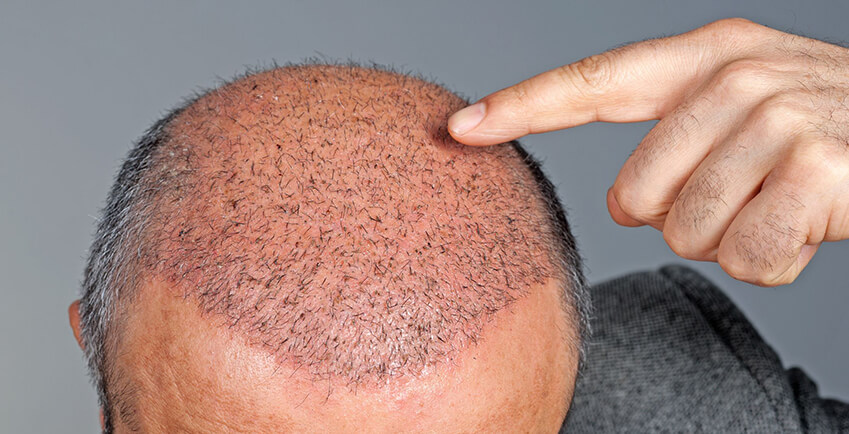
Hair transplantation is a continuously evolving art that offers natural and life-changing results when performed properly. However, like any surgical procedure, complications can occur and may significantly affect cosmetic outcomes, psychological well-being, and even carry medicolegal implications. With its rising popularity and involvement of inadequately trained practitioners, complication rates have increased. Therefore, careful patient selection, proper training, strict adherence to protocols, and thorough knowledge of the prevention and management of complications are essential for both surgeons and patients.
General Complications: Elective but not risk-free
Before discussing procedure-specific concerns, it is important to understand that hair transplantation, like any surgical intervention, carries the possibility of general complications. Although the procedure is minimally invasive and typically performed under local anaesthesia, it remains a surgical act involving incisions, tissue handling, anaesthesia administration, and wound healing. Rare intraoperative complications include anaphylaxis, vasovagal shock, drug interactions, bleeding during strip harvesting, bronchospasm, transient tachycardia, and other cardiac events. Hence, preoperative ECG, physician clearance, and continuous monitoring of vital parameters are advised. Although uncommon, surgeons must be prepared to manage such emergencies. Postoperatively, syncope may occur after prolonged procedures. Rarely, persistent hiccups or cough lasting 2–3 days can develop, possibly due to irritation of the C2–C4 cervical nerves associated with the phrenic nerve.
Apart from these, we will be dealing with the complications specific to hair transplant, both FUE and FUT.
- Swelling
Swelling of the forehead, around the eyes, and on the cheeks is one of the most frequent (70%) minor complications after a hair transplant. It usually appears on the 2nd or 3rd day after surgery and is caused by fluid accumulation due to surgical trauma and local anaesthetic injections.
Beating the Puffiness:
- Proper head elevation (45 degrees) during the first 2–3 nights using extra pillows (Sleeping flat exacerbates it)
- Application of cold compresses (not directly on grafts) 10-15 min/hour on day 1.
- Use of prescribed anti-inflammatory medications
- Gentle surgical technique with minimal fluid infiltration
Most swelling resolves on its own within 5-7 days and rarely requires any aggressive treatment.
- Bleeding
Minor bleeding can occur during and after the procedure because thousands of tiny incisions are made in the scalp. While serious bleeding is rare, excessive oozing can alarm patients and sometimes affect graft survival.
Prevention Tips
- Avoid blood-thinning medications like aspirin and warfarin before surgery: 7-10 days prior under medical guidance.
- Control blood pressure before the procedure
- Use of proper surgical technique and adequate local anaesthesia
- Avoid alcohol and smoking before and after the procedure
- Avoid bending over, heavy lifting, or strenuous activity for 2 weeks.
Choosing an experienced surgeon greatly reduces the risk of problematic bleeding.
- Scabbing
Scabbing around the transplanted grafts is normal. These scabs usually fall off within 7–10 days. However, thick scabbing can delay healing and increase the risk of infection. Proper aftercare is the key to preventing excessive scab formation.
How to Minimize Scabbing:
- Gentle saline sprays
- Careful washing of the scalp after the first few days
- Follow the “no-touch” rule: Don’t pick or scratch scabs, as this risks graft dislodgement. Also, forceful removal might invite infection and lead to pitted scars
- Use of moisturizing lotions recommended by the clinic
- Numbness
Temporary numbness in the donor or recipient area is another common issue affecting 50-80% of patients. It occurs because tiny sensory nerves are disturbed during graft harvesting and implantation.
Prevention and Management strategies:
- Gentle surgical technique (experienced surgeons use precise instruments)
- Avoiding excessive deep dissection
- Reassurance to the patient.
- Massage gently with prescribed oils after 2 weeks to stimulate sensation.
In most cases, numbness improves gradually over a few weeks to months as the nerves recover.
- Temporary Hair Shedding
One of the most misunderstood effects after a transplant is temporary hair shedding, known as “shock loss.” Both transplanted hair and surrounding native hair may fall out a few weeks after surgery. Important to note is that this is a normal and expected phase. It does NOT mean the transplant has failed; a new growth usually begins after 3–4 months, peaking by one year. How to deal:
- Reassurance
- Gentle handling of grafts, avoiding trauma to existing hair
- Good post-operative scalp care
- Use of medical therapies like minoxidil
Proper counselling before surgery prevents unnecessary anxiety regarding this.
- Infection: A Preventable Risk
Although uncommon (<l%), thanks to the sterile protocols, infection is a potential complication because hair transplantation involves thousands of small wounds. Increasing redness and pain, pus discharge, fever and excessive crusting are the signs of infection.
Prevention Strategies
- Strict sterile technique in the operating room
- Prophylactic antibiotics as prescribed
- Proper post-operative hygiene; avoiding touching the scalp with (unclean) hands
Early recognition and treatment ensure that infections do not affect the final outcome.
- Scarring
Every surgical procedure leaves some form of scarring. Scarring varies by technique- in FUT, a linear scar may remain in the donor area, while FUE leaves tiny dot-like scars.
Noticeable Scar Prevention
- Choosing the right technique based on patient characteristics
- Avoiding oversized graft harvesting
- Proper wound closure in FUT/Not overharvesting in FUE
- Following post-op instructions carefully
When performed correctly, most scars are minimal and easily hidden by surrounding hair.
- Keloid Formation
A rare but significant complication is keloid formation. Some individuals have a genetic tendency to develop thick, raised scars.
How to Prevent
- Careful screening of patients with a history of keloids
- Avoiding hair transplantation in high-risk individuals
- Use of preventive treatments like silicone gel or steroid injections if needed
Patients with a known tendency for keloids should discuss this thoroughly with their surgeon before opting for surgery.
- Skin Loss
Skin necrosis/loss is an extremely rare but serious complication, usually caused by excessive tension, poor blood supply, or overly aggressive harvesting.
Can be Avoided with:
- Proper planning of graft density
- Skipping large, tightly packed sessions
- Gentle handling of tissues
- Ensuring good vascularity of the recipient area
- Quitting smoking 4 weeks pre/post-op
Choosing a qualified and experienced surgeon is the most important safeguard against such severe problems.
- Donor Area Depletion
One of the long-term concerns in hair transplantation is donor area depletion. It occurs from overharvesting, leaving thin or patchy donor zones unable to support future transplants.
Safeguards are:
- Careful pre-operative assessment of donor density
- Conservative extraction planning; use donor density calculators (safe harvesting: 30-50% follicles)
- Spacing out multiple sessions (Spacing sessions 12+ months apart)
- Body hair transplants as backups for extensive depletion.
- Considering future hair loss patterns
Ethical planning is essential so that the donor area remains healthy even years after the procedure.
- Unnatural Appearance
Perhaps the most disappointing complication for patients is an unnatural appearance after hair transplantation. Poorly designed hairlines, incorrect angulation, poor graft placement or large grafts can make the result obvious and artificial, like “pluggy” or doll-like hair. Causes may be counted as an inexperienced surgeon, outdated techniques, excessively dense or low hairline, or improper graft placement.
How to Ensure Natural by Design:
- Detailed pre-operative planning
- Designing an age-appropriate hairline
- Use of single-hair grafts in the front
- Proper direction and angle of implantation
- Choosing a QUALIFIED SURGEON AND CLINIC
Prevention of this depends almost entirely on the skill and artistic sense of the surgical team.
General Measures to Reduce Complications
While each complication has specific preventive steps, some general principles apply to all hair transplant procedures:
For Patients
- CHOOSE A QUALIFIED, BOARD-CERTIFIED SURGEON
- Avoid cheap “package deal” clinics
- Disclose all medical conditions and medications
- Follow pre- and post-operative instructions strictly
- Maintain realistic expectations
For Surgeons
- Proper patient selection
- Ethical planning
- Sterile surgical environment
- Use of modern techniques
- Adequate training and experience
Final Thoughts: Precision, Prevention, and Patient Safety
Hair transplantation is a safe and effective procedure when performed correctly. Most complications are minor and resolve with proper care. More serious problems like infection, scarring, keloid formation, skin loss, donor area depletion, and unnatural appearance are largely preventable with good technique and proper planning.
The key message is simple: complications are uncommon, but they do exist. Awareness, careful patient selection, and choosing the right surgical team are the best ways to ensure a successful and satisfying hair transplant result. A well-informed patient is the first step toward a complication-free procedure and a confident new look.
Healthy planning and expert hands are the real secrets behind a successful hair transplant.
Author: Dr P Umar Farooq Baba, SKIMS, Srinagar
Phone: +91 9419081397
IAAPS No: 2023/JK/05
Email: drumar397@gmail.com