
When Hair Loss Is Not Just Hair Loss
Hair loss rarely announces itself loudly.
It shows up quietly, in the photograph you hesitate to post, the light you avoid standing under, the way you adjust your hair before anyone notices.
It is not vanity. It is hesitation, the quiet kind that grows over time when someone stops recognizing the person they see.
Hair loss is rarely just about appearance. For many patients, it slowly changes how they see themselves, in meetings, in social settings, and sometimes even in their confidence.
Hair transplantation has become one of the most effective solutions for hair restoration. However, despite advances in technique and technology, it remains a surgical procedure and carries potential risks.
Complications such as swelling, bleeding, scabbing, numbness, temporary hair shedding, infection, scarring, keloid formation, skin loss, donor area depletion, and unnatural appearance can occur.
The reassuring fact is that most complications are minor, manageable, and often preventable; especially when patients are informed, prepared, and actively involved in recovery.
Hair transplantation works best when it is treated not as a cosmetic shortcut, but as a carefully planned medical journey.
The First Few Days: Where Healing Begins and Anxiety Peaks
1- Swelling: The Body’s First Response, Not a Failure
Mild swelling around the forehead or eyes is common and temporary. It occurs due to fluid infiltration and the body’s natural healing response.
What helps:
* Sleeping with head elevated
* Taking medications on time
* Avoiding bending forward and heavy exercise
When to contact your surgeon:
Rapid swelling, severe pain, or vision symptoms.
- Bleeding: When Small Drops Create Big Fear
Mild oozing during the first 24–48 hours is usually self-limiting.
What helps:
* Avoid touching grafts
* Avoid alcohol early after surgery
* Avoid strenuous activity
* Maintain good blood pressure control
Red flags:
Persistent bleeding, soaked dressing, or dizziness.
2- Scabbing: Healing Wearing a Protective Cover
Small scabs protect grafts during early healing and are expected.
What helps:
* Follow washing instructions exactly
* Use only recommended products
* Handle scalp gently
Avoid:
Picking scabs or aggressive washing.
Most scabs fall off naturally within 7–10 days.
3- The Quiet Phase/ Numbness : Changes You Feel Before You See Results
Temporary numbness can occur due to minor nerve disruption and usually improves gradually.
What helps:
* Protecting scalp from injury
* Good nutrition
* Attending follow-up visits
When to contact your surgeon :
Numbness worsens or severe pain develops.
4- Temporary Hair Shedding: The Growth That Begins With Letting Go
Temporary shedding of transplanted hair (shock loss) is expected. The follicle remains alive, and regrowth usually begins after 3–4 months.
What helps:
* Continue prescribed medications
* Maintain protein-rich diet
* Trust the natural growth timeline
Hair transplantation is a long-term process, not an immediate cosmetic change.
- Infection and Healing: Small Signs That Should Never Be Ignored
Infection: Rare, But Time-Sensitive
Scalp infections are uncommon but possible if hygiene instructions are not followed.
What helps:
* Hand hygiene
* Following scalp cleaning instructions
* Avoiding gyms, helmets, and swimming pools early after surgery
When to contact your surgeon :
Redness, pus discharge, fever, or increasing pain.
Early treatment prevents serious complications.
5- Scarring and Keloids: When Healing Becomes Overactive
Some scarring is expected, but raised scars or keloids need early attention.
What helps:
* Inform surgeon about past abnormal scars
* Follow scar care instructions
* Avoid stretching donor area early
Patients with history of raised scars after acne, piercings, or injuries should inform their surgeon.
6- Skin Loss: Rare but Serious
Skin loss is rare and usually linked to compromised blood supply.
What helps:
* Stop smoking before and after surgery
* Stay well hydrated
* Control medical conditions such as diabetes
Smoking is one of the most significant preventable risk factors affecting healing.
7- Donor Area Depletion: When Too Much Today Costs Tomorrow
Excessive graft harvesting may cause visible thinning in the donor area.
What helps:
* Avoid chasing maximum graft numbers
* Understand hair transplant as long-term hair management
* Continue medical therapy if advised
8- Unnatural Appearance: When Technically Successful Is Not Aesthetically Successful
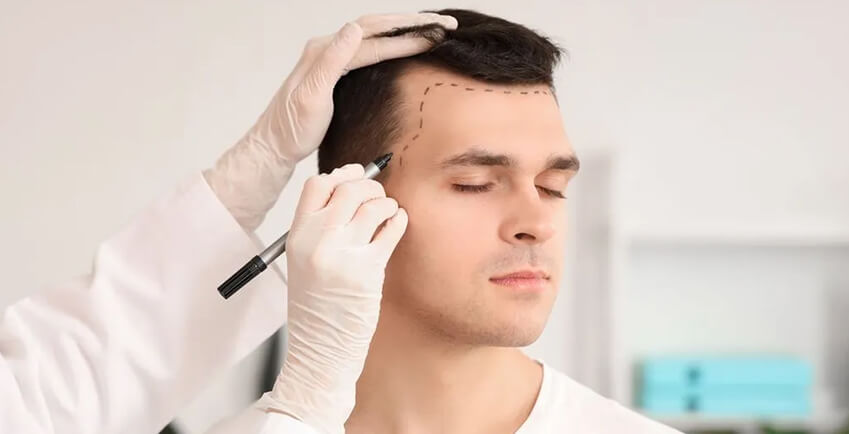
Natural results require careful planning of hairline design, density, and direction.
What helps:
* Maintain realistic expectations
* Avoid demanding extremely low or dense hairlines
* Choose qualified surgeons rather than focusing only on cost
Preventing Complications: A shared responsibility
Preventing hair transplant complications begins with informed decision-making. By choosing a qualified, board-certified surgeon, patients complete a crucial first step toward safety. The surgeon then works to reduce risks through intraoperative preventive measures such as gentle graft handling, minimizing graft out-of-body time, maintaining proper graft hydration and temperature, careful planning of graft density, and preservation of donor area integrity.
Patients should support these efforts by optimizing their health before surgery. Maintaining adequate nutrition, controlling medical conditions, stopping smoking, and informing the surgeon about all medications and supplements helps create the best environment for healing.
After surgery, following medication schedules, maintaining scalp hygiene, avoiding touching or scratching grafts, and restricting strenuous activity during early healing further reduces complication risk.
The safest outcomes are achieved when surgical precision is supported by informed, cooperative patients who actively participate in their recovery process.
The Most Powerful Prevention Tool: An Informed Patient
Patients should ask themselves:
* Am I choosing qualification and safety over price?
* Do I understand future hair loss progression?
* Am I ready to follow postoperative instructions strictly?
* Are my expectations realistic?
Patients who treat hair transplantation as a medical procedure rather than a cosmetic service consistently achieve safer and more natural outcomes.
The Emotional Reality of Hair Transplant Recovery
Almost every patient wonders at some point:
“Is this normal?”
“Did I lose my grafts?”
“Did I make the right decision?”
These concerns are normal. Recovery is physical , but also emotional.
Staying connected with the treating surgeon and addressing concerns early improves both medical and emotional outcomes.
To summarise: It Goes beyond the Procedure.. Where Healing Meets Confidence
Hair transplantation is not just about relocating hair follicles.
It is about restoring familiarity.. the feeling of recognizing yourself again.
Most patients do not remember the swelling or the scabs.
They do not remember the weeks of waiting.
They remember the day they stopped adjusting their hair before stepping out.
They remember the photograph they did not hesitate to be in.
They remember feeling like themselves, quietly, naturally, completely.
The best hair transplants are not the ones that look dramatic.
They are the ones that look inevitable.
Because when done safely, ethically, and thoughtfully ; hair transplantation does not change who you are.
It simply brings you back to yourself.
Dr Pallavi Phatak
Disclaimer : The opinions here are personal views of the authors. IAAPS is not responsible. All members may not have the same scientific view point